Optimize Your Autos Life-span With Routine Car Solution, Including Tire Care and Upkeep
Regular car service plays an important duty in taking full advantage of a lorry's life expectancy. Regular upkeep warranties peak performance and safety. Trick elements include prompt oil modifications and persistent tire treatment. Overlooking these elements can bring about considerable issues down the line. Understanding the value of these services is vital for any type of vehicle proprietor - car inspection. What particular techniques can one adopt to enhance their vehicle's long life and efficiency? The responses might stun you
The Significance of Regular Vehicle Solution
Routine car solution personifies the concept of preventive care, making sure cars run successfully and securely. Regular maintenance not just boosts the efficiency of a car however likewise expands its life-span, making it a significant aspect of ownership. By recognizing possible issues early, routine service minimizes the risk of pricey repairs and malfunctions. In addition, routine checks can enhance gas performance, adding to total price financial savings for the proprietor. Safety and security is another crucial consideration; well-maintained cars are less prone to accidents, protecting drivers and passengers alike. In addition, sticking to a service schedule can copyright warranty problems, enabling owners to fully gain from their financial investment. To conclude, regular automobile service is an important practice that cultivates dependability and fulfillment in lorry ownership.
Key Components of Automobile Maintenance
Efficient lorry maintenance includes numerous crucial elements that collectively guarantee peak efficiency and security. Regular oil modifications are necessary, ensuring the engine runs smoothly and effectively. Fluid checks, consisting of coolant and brake fluid, assistance avoid getting too hot and guarantee reliable stopping. Replacing and checking air filters promotes excellent engine performance and air top quality within the car. Brake system upkeep is vital for safety and security, requiring normal inspections and prompt substitute of blades and pads. Battery health must additionally be kept track of to stay clear of unexpected failings. In addition, regular assessments of pipes and belts can protect against break downs. Lastly, maintaining lights and signals working appropriately is basic for safe driving. Together, these elements create the foundation of efficient vehicle upkeep.
Comprehending Tire Treatment and Upkeep
Tire treatment and upkeep are essential for guaranteeing car security and performance. Proper tire stress monitoring, comprehending tread deepness importance, and normal turning and placement can considerably boost tire longevity and driving efficiency. Attending to these aspects not only promotes a smoother ride but also adds to overall vehicle health.
Tire Pressure Surveillance
Keeping suitable tire stress is crucial for automobile security and performance. Proper tire inflation warranties optimal contact with the roadway, enhancing traction and stability. Not enough stress can lead to enhanced tire wear, decreased fuel efficiency, and a higher risk of blowouts. On the other hand, overinflated tires can jeopardize handling and experience comfort. Normal tracking of tire pressure is vital, as changes can occur due to temperature changes or all-natural air loss. A lot of vehicles come equipped with a Tire Stress Tracking System (TPMS), which alerts vehicle drivers when tire pressure falls outside advised levels. It is suggested to perform hands-on checks periodically, utilizing a reputable scale. By staying vigilant with tire stress, vehicle drivers can considerably improve the life expectancy of their tires and overall automobile safety.

Tread Deepness Significance
Exactly how does step deepness impact car security and efficiency? Step depth is critical for preserving appropriate grasp when driving, particularly in slippery or damp conditions. Not enough step can bring about reduced traction, increasing the threat of hydroplaning and accidents. Furthermore, superficial walk deepness influences braking distance, making it harder for vehicle drivers to stop quickly in emergency situations. The legal minimum step deepness in many regions is 2/32 of an inch, however professionals advise 4/32 of an inch for peak efficiency. Routinely inspecting walk depth guarantees that tires offer sufficient performance throughout their life expectancy. Appropriate step upkeep not only boosts safety and security but likewise adds to far better gas effectiveness, inevitably expanding the lorry's life-span and lowering lasting prices.
Turning and Positioning Tips
Routine tire maintenance prolongs beyond examining walk depth; it consists of proper rotation and placement to ensure peak performance and safety and security. Tire turning ought to generally take place every 5,000 to 7,500 miles, relying on the automobile and tire type. This technique assists promote also tread wear, expanding tire life expectancy and boosting handling. Furthermore, regular wheel positioning is vital, as misalignment can cause uneven tire wear and endangered oscars auto repair steering. Signs of imbalance may consist of pulling away or a crooked wheel. Chauffeurs need to have their vehicle's positioning checked every year or whenever they notice these signs. By adhering to these tips, lorry proprietors can improve tire longevity, enhance safety, and preserve perfect efficiency when driving.
Signs Your Vehicle Requirements Immediate Focus
When a car displays advising lights on the dashboard, it indicates that something might be awry and needs punctual investigation. In addition, uncommon noises can suggest underlying concerns that, if left unaddressed, could lead to more significant problems. Acknowledging these indications is important for keeping vehicle security and efficiency.
Warning Lights Brighten
Lots of vehicle drivers might forget warning lights, their illumination typically symbolizes that a vehicle requires immediate attention. Warning lights work as necessary signs of underlying concerns that could bring about more severe troubles if overlooked. Usual lights consist hour mobile auto glass repair near me of the check engine light, oil stress warning, and battery alert, each indicating a specific problem that demands timely investigation. Ignoring these signals can cause expensive repair work or harmful situations on the road. Chauffeurs ought to refer to their proprietor's handbook to understand the definition of each light and take proper action when one illuminates (oil change). Normal tracking of warning lights is imperative for keeping vehicle wellness and guaranteeing security while driving. Prompt interest to these notifies can considerably expand an automobile's lifespan
Uncommon Sounds Happen
Overlooking advising lights is not the only method vehicle drivers can neglect possible vehicle problems; uncommon noises can likewise signal that instant focus is required. As an example, a grinding audio when braking may show worn brake pads, while a piercing squeal can recommend a belt concern. In addition, knocking or tapping noises from the engine may point to severe mechanical troubles, necessitating prompt inspection. If an automobile produces hissing or bubbling noises, it might be dripping liquids, which can bring about more difficulties otherwise attended to. Chauffeurs need to not disregard these auditory cues, as they frequently reflect try this out underlying problems that might endanger safety and performance. Timely intervention can avoid expensive fixings and prolong the vehicle's life expectancy substantially.
Advantages of Normal Exams
Routine examinations play a crucial duty in keeping a car's overall performance and long life. By organizing routine inspections, drivers can identify possible concerns before they escalate into pricey repair work. These examinations generally include analyses of critical elements such as brakes, filters, and fluids, guaranteeing that the vehicle runs effectively. Additionally, regular upkeep enhances safety and security by resolving any type of wear and tear that can cause dangerous situations when traveling. Routine examinations also add to enhanced gas effectiveness, as a well-maintained lorry runs smoother and takes in much less fuel. Eventually, these preventative measures not just extend the life of the automobile but additionally offer assurance for the owner, understanding that their vehicle remains in prime condition.
Cost-efficient Tips for Car Long Life
To take full advantage of vehicle durability without damaging the financial institution, chauffeurs can take on several economical practices that promote upkeep and care. Routine oil adjustments, generally every 3,000 to 5,000 miles, are important for engine health and can stop costly repair work. Additionally, preserving proper tire stress and rotating tires consistently can extend their life expectancy, enhancing fuel effectiveness. Motorists must additionally monitor liquid degrees, such as coolant and brake fluid, to stop potential concerns. Simple jobs like maintaining the car clean, both within and out, can protect paint and indoor coatings, minimizing long-term wear. Ultimately, addressing minor repair services without delay can stop a lot more significant issues, inevitably conserving money and boosting the automobile's overall longevity.
Frequently Asked Questions
How Typically Should I Change My Automobile's Oil?

What Is the Recommended Tire Stress for My Vehicle?
The suggested tire pressure for most cars generally ranges in between 30 to 35 psi. This worth can vary based upon the vehicle design, so referring to the owner's guidebook or the sticker inside the motorist's door is advisable.
Do I Need to Turn My Tires Regularly?
Can I Carry Out Maintenance Myself to Conserve Money?
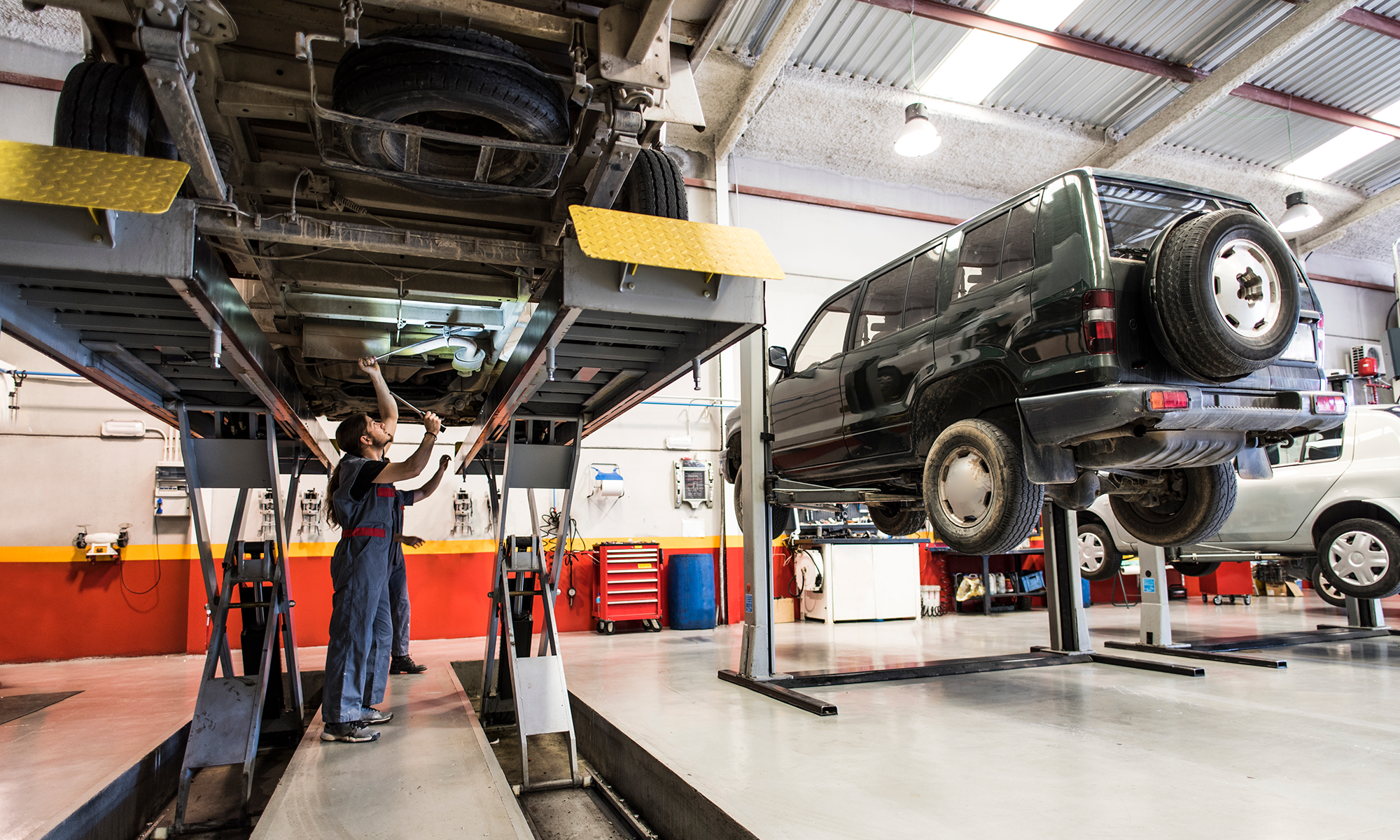
Yes, a person can perform particular upkeep tasks themselves to conserve cash. They must ensure they have the needed skills and expertise, as incorrect upkeep may lead to costly repair services or safety concerns later.
Just How Can Weather Condition Affect My Automobile's Efficiency?